
Compare different types of tape by backing, adhesive, strength, removability and application.
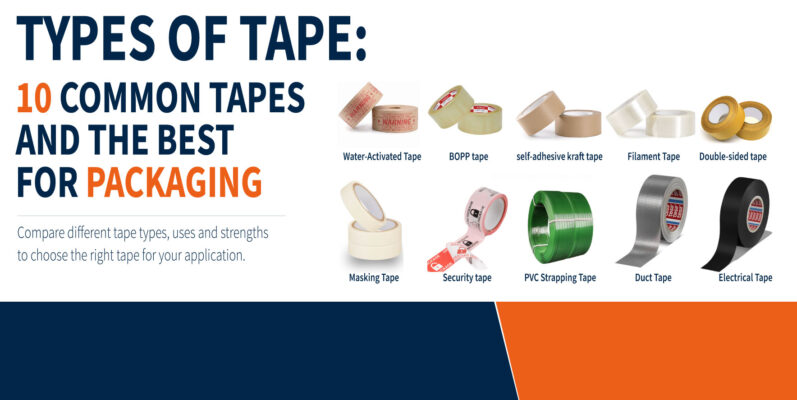
Table of Contents
- Quick answer
- How tape is classified
- 10 common tape types
- Comparison table
- Best tape by use
- Packaging tape types
- Factory insight
- Buyer guide
- FAQ
Quick Answer: What Are the Main Types of Tape?
The main types of tape include Water-Activated Tape, BOPP Packaging Tape, Self-Adhesive Kraft Paper Tape, Filament Tape, Double-Sided Packaging Tape, Masking Tape, Security Tamper-Proof Tape, Duct Tape, Electrical Tape. The correct type depends on the surface, required strength, environment, application method and whether the bond should be permanent or removable.
There is no fixed official number of tape types. Tapes can be classified by backing material, adhesive chemistry, construction or intended use. For corrugated shipping boxes, the most important commercial comparison is usually between water activated tape and pressure-sensitive packing tape.
Choosing the wrong tape can cause cartons to open during shipping, labels to lift, painted surfaces to tear or mounted components to release. A tape that performs well on smooth metal may perform poorly on dusty recycled corrugated board. A product with high tensile strength may still have unsuitable peel adhesion. A useful comparison must therefore consider more than the tape’s name.
This guide explains 10 common types of tape, their materials, typical uses and limitations. It then focuses on the best types of packaging tape for shipping boxes, warehouses, fulfillment centers and automated carton-sealing operations.
How Are Different Types of Tape Classified?
By Backing Material
The backing carries the adhesive and controls many mechanical properties. Common backings include kraft paper, BOPP plastic film, PVC, cloth, aluminum foil, foam, fiberglass-reinforced film, nonwoven material and silicone rubber. Paper tape offers a natural kraft appearance. Plastic film can provide clarity and moisture resistance. Cloth improves conformability, while foil is used for heat and vapor-control applications.
By Adhesive Type
Common adhesive systems include water-activated starch-based adhesives, acrylic pressure-sensitive adhesives, hot-melt synthetic rubber, natural rubber and silicone adhesive. Some products, such as self-fusing silicone tape, do not rely on a conventional exposed sticky layer. Adhesive chemistry influences initial tack, aging, temperature performance, removability and compatibility with difficult surfaces.
By Application
Tape is also grouped by its job: carton sealing, bundling, painting, electrical insulation, mounting, medical use, plumbing, HVAC sealing, drywall finishing or industrial manufacturing. Application names are convenient, but buyers should still review the construction because products within the same category can perform very differently.
8 Common Types of Tape and Their Uses
1. Water-Activated Tape (WAT / Kraft Gummed Tape)
Water activated tape (WAT), also called gummed paper tape, Kraft Gummed Tape, wet kraft paper tape uses a kraft paper backing and a dry adhesive that becomes tacky when moistened. The adhesive bonds with corrugated fibers, creating a visible tamper-evident seal because removal normally damages the box surface. It is an eco-friendly packaging solution.
Non-reinforced grades suit many standard cartons, while reinforced constructions add fibers(Firberglass, Cotton strap) for heavier loads. Application requires a manual, electric or automatic dispenser. Read what water activated tape is and how water activated tape works.
Pros
- 100% recyclable and plastic-free
- Tamper-proof performance for secure logistics
- No adhesive residue after recycling
- Perfect for Amazon and international eco-compliant shipments
2. BOPP Packaging Tape (Clear & Printed Carton Tape)
BOPP tape is the most widely used general-purpose packaging tape worldwide. Made of biaxially oriented polypropylene backing with acrylic adhesive, it delivers stable viscosity, strong tensile strength, and affordable pricing.
Normally uses a BOPP film backing coated with acrylic pressure-sensitive adhesive. It is applied with a hand dispenser or case sealer and is commonly selected for general shipping, storage and applications where aging resistance or clarity is important.
Performance depends on adhesive coat weight, film thickness, carton dust, recycled content, temperature and application pressure. Low-cost grades may lift from difficult corrugated surfaces.
Pros
- Cost-effective for daily mass packaging
- Clear, neat, and professional box sealing appearance
- Available in transparent, colored, and custom printed logo styles
- Good adhesion on standard cardboard surfaces
3. Self-Adhesive Kraft Paper Tape
Different from water-activated tape, self-adhesive kraft tape comes with pre-coated glue and requires no water during application. It offers paper texture appearance and basic environmental advantages with easier operation.
Pros
- Easy to apply with ordinary tape dispensers
- Matte paper finish for premium unboxing experience
- Eco-friendlier than plastic BOPP tape
Best for
Gift packaging, boutique product sealing, light carton packing, brand aesthetic packaging.
4. Filament Tape / Fiberglass Reinforced Tape
Filament tape is a heavy-duty packing tape embedded with glass fiber yarns, providing extreme tensile strength and tear resistance. It is contains reinforcing fibers, commonly fiberglass, running in one direction or in a cross weave. It offers high tensile strength for bundling, palletizing, appliance packaging and carton reinforcement.
It is different from reinforced water activated tape: filament tape is normally pressure-sensitive plastic tape, while reinforced WAT uses an activated kraft construction.
Pros
- Super strong resistance against stretching and breaking
- Reinforces heavy cartons and bulk goods
- Ideal for long-distance and rough transportation
Best for
Heavy-weight carton sealing, mechanical equipment packaging, wooden box bundling, bulk industrial cargo.
5. Double-Sided Packaging Tape
- Clean and invisible bonding effect
- Multiple thickness and strength options
- Suitable for both light fixing and medium lamination
Best for
Box internal fixing, poster sticking, accessory attachment, gift box assembly, packaging material lamination.
6. Masking Tape (Painting & Protective Tape)
Masking tape features gentle adhesion and easy tearability without leaving residue. It is widely used for packaging protection and temporary coverage. It is normally has a crepe paper backing and removable pressure-sensitive adhesive. It is used for labeling, light bundling, painting preparation and workshop tasks. Different grades provide different temperature resistance and removal windows.
It is not recommended as a primary shipping-carton closure because it lacks the strength and aging performance of packaging tape.
Pros
- No glue residue after removal
- Easy hand tear
- Protects product surfaces from scratches and paint contamination
Best for
Product surface protection, temporary fixing, packaging masking, industrial painting coverage.
7. Security Tamper-Proof Tape
Security tape, or anti-theft packaging tape, leaves visible traces once peeled off. It is specially designed for anti-counterfeiting and shipping safety.
Pros
- Obvious tamper-evident warning
- Prevents package opening and replacement
- Improves logistics safety for high-value products
Best for
Electronics packaging, luxury goods shipping, confidential document parcels, valuable cargo delivery.
8. PVC Strapping & Sealing Tape
PVC tape features waterproof, weather-resistant, and high-friction properties. It is commonly used for special industrial packaging and bundling.
Pros
- Excellent water and moisture resistance
- Strong grip for irregular surfaces
- Durable under humid or cold environments
Best for
Moisture-proof packaging, outdoor stored goods, hardware product bundling.
9. Duct Tape (Multi-Purpose Cloth Tape)
Duct tape is a heavy-duty, cloth-backed multi-purpose tape with strong rubber adhesive. It is famous for its ultra-strong sticking power, waterproof layer, and flexible fabric structure, widely used for temporary repair, bundling, and heavy sealing.
It is flexible, hand-tearable and useful for temporary repairs, bundling and emergency fixes.
Despite its reputation for strength, duct tape is usually inefficient for carton sealing. It can leave residue, cost more per sealed box and does not run consistently through case sealers.
Pros
- Extremely strong adhesion on rough, uneven surfaces
- Waterproof, tear-resistant, and durable
- Hand-tearable without tools
- Perfect for temporary fixes and heavy bundling
Best for
Industrial temporary packaging, pallet bundling, box reinforcement, outdoor package protection, broken packaging quick repair.
10. Electrical Tape (Insulation PVC Tape)
Electrical tape, also known as insulating tape, is a flexible PVC tape designed for electrical insulation, wire wrapping, and protective binding. It features flame retardant, voltage-resistant, and stretchable properties.
It is commonly made with flexible vinyl and adhesive formulated for wire insulation, identification and cable protection. It must conform around cables and maintain performance within its rated temperature and voltage conditions.
Color alone does not prove a tape’s electrical rating. Follow the product’s technical data and applicable electrical requirements.
Pros
- Safe electrical insulation and flame retardant
- Highly stretchable and fits curved surfaces tightly
- Waterproof and anti-corrosion
- Flexible for wiring bundling and wrapping
Best for
Electronic product packaging protection, wire harness bundling, electrical component wrapping, industrial electric insulation packaging.
Comparison of Different Types of Tape
The table below compares major categories. “Strength” is relative because performance may refer to tensile strength, peel adhesion, shear resistance, tear resistance or the security of the complete bonded system.
| Tape Type | Typical Backing | Bonding System | Relative Strength | Removable | Main Use | Cartons |
|---|---|---|---|---|---|---|
| Water activated tape | Kraft paper | Water-activated adhesive | High; reinforced grades higher | No | Secure carton sealing | Excellent |
| BOPP Packaging Tape | BOPP film | Acrylic pressure-sensitive | Medium | Usually no | Shipping and storage | Good |
| Self-Adhesive Kraft Paper Tape | Kraft paper | Hotmelt | Medium, reinforced grades higher | No | Fast carton sealing | Good |
| Filament tape | Reinforced film | Pressure-sensitive | Very high tensile strength | Depends | Bundling and reinforcement | Specialized |
| Double-sided tape | Tissue, film or foam | Adhesive on both faces | Low to very high | Depends | Assembly and mounting | No |
| Masking tape | Crepe paper | Pressure-sensitive | Low | Usually | Masking and labeling | Poor |
| Security Tamper-Proof Tape | BOPP film | Pressure-sensitive | Low | Usually | Shipping and storage | Good |
| PVC Strapping & Sealing Tape | PVC | None | very high | Yes | Bundling and reinforcement | Specialized |
| Duct tape | PE-coated cloth | Rubber pressure-sensitive | High in repairs | Sometimes | Temporary repair | Not recommended |
| Electrical tape | Vinyl | Pressure-sensitive | Application-specific | Sometimes | Wire insulation | No |
Which Type of Tape Should You Use?
Best Tape for Cardboard Boxes
The main choices are water activated tape, acrylic packing tape and hot-melt packing tape. Water activated tape is a strong option when tamper evidence, secure fiber bonding and a paper-based presentation are priorities. Pressure-sensitive tape is convenient for hand application and high-speed equipment, provided the adhesive matches the carton and environment.
Best Tape for Heavy Shipping Cartons
Heavy cartons may require reinforced water activated tape, high-performance hot-melt tape, filament reinforcement or a combination of sealing and strapping. Read more about reinforced water activated tape construction.
Best Tape for E-Commerce Packaging
E-commerce packaging must balance speed, security, appearance and cost per parcel. Water activated tape can create a clean tamper-evident seal, while custom printing adds branding or a security message. Plastic packing tape remains practical where existing equipment and simple manual application dominate the decision.
Best Tape for Long-Term Storage
Acrylic packing tape is often evaluated for storage because good acrylic formulations can provide stable aging. However, carton surface, dust, temperature and compression still matter. Test the tape after realistic aging rather than only immediately after application.
Best Tape for Cold or Humid Conditions
Cold and humidity can change adhesive wet-out, tack and carton strength. Ask for both the application-temperature and service-temperature ranges, then test sealed cartons after conditioning in the actual environment.
Best Tape for Automated Packaging Lines
High-volume operations can use pressure-sensitive case sealers or automated water activated systems. Compare line speed, carton variation, tape width, cut length, roll changes, maintenance, activation consistency and cartons sealed per shift. The lowest roll price may not provide the lowest total cost.
Not Sure Which Tape Fits Your Cartons?
Send us your carton size, packed weight, daily volume, shipping environment and current sealing method. We can help compare water activated tape, reinforced grades and dispenser options before you order in bulk.
What Are the Main Types of Packaging Tape?
- Water activated tape: Kraft paper tape activated with water to bond with corrugated board.
- Acrylic packing tape: Plastic pressure-sensitive tape commonly used for shipping and storage.
- Hot-melt packing tape: Fast-grabbing pressure-sensitive tape for many high-throughput lines.
- Filament tape: Reinforced tape for bundling and heavy-duty reinforcement.
- Strapping tape: High-strength tape used to contain or reinforce loads.
- Custom printed tape: Paper or plastic tape printed with branding, instructions or security messages.
Water Activated Tape vs. Pressure-Sensitive Packing Tape
| Decision Factor | Water Activated Tape | Pressure-Sensitive Packing Tape |
|---|---|---|
| Bonding method | Activated adhesive bonds with corrugated fibers | Adhesive bonds mainly to the carton surface |
| Tamper evidence | Typically high because removal damages the carton | Depends on adhesive, carton and application |
| Application | Manual, electric or automatic water-activated dispenser | Hand dispenser or case sealer |
| Appearance | Natural paper-based appearance | Usually clear, tan or colored plastic film |
| Heavy cartons | Reinforced grades available | Higher-performance grades or extra strips may be needed |
| Custom printing | Available | Available |
Neither construction is automatically best for every operation. The right choice depends on carton grade, package weight, volume, security, labor, equipment and total cost per successfully sealed carton.
Factory Insight: Tape Cost, Risk and Production Factors
Do Not Compare Tape by Roll Price Alone
A cheaper roll can cost more in use when operators need extra strips, the roll is shorter than expected, the tape tears poorly or failed seals require repacking.
Also include labor, dispenser maintenance, roll changes, waste, failed seals, customer complaints, damage risk and production downtime.
Common Tape Sourcing Risks
- Usable roll length does not match the nominal length.
- Adhesive coating is inconsistent.
- Kraft paper strength or basis weight is below specification.
- Reinforcing yarn count or spacing varies.
- Roll winding is too tight or too loose.
- Core size or roll diameter does not fit the dispenser.
- Water activation is uneven.
- Printed graphics have color or registration variation.
- Moisture exposure deforms rolls during storage.
A Practical Selection Process
- Confirm the carton: Record dimensions, board grade, recycled content and flap condition.
- Confirm the load: Record packed weight, internal movement and stacking compression.
- Review distribution: Consider temperature, humidity, storage and handling.
- Select the construction: Choose backing, adhesive, width and reinforcement.
- Match the equipment: Confirm dispenser, core size, diameter and line speed.
- Run carton trials: Seal filled cartons and simulate distribution.
- Approve a specification sample: Retain the accepted roll and written standard.
- Control repeat production: Monitor dimensions, winding, adhesive, printing and packing.
How to Choose the Right Type of Tape
- Identify the surface. Corrugated board, metal, plastic, walls, skin and cables require different products.
- Choose permanent or removable. Painter’s tape and mounting tape are engineered for opposite outcomes.
- Define the required strength. Tensile, peel, shear and tear resistance are different measurements.
- Check the environment. Review temperature, humidity, UV and aging time.
- Confirm the application method. Manual and automated systems need compatible rolls.
- Calculate cost per use. Include waste, extra strips, labor and failures.
- Test the actual application. Real carton testing remains essential.
For a focused carton-sealing decision, read how to choose water activated tape and review the benefits of water activated tape.
Frequently Asked Questions
How many types of tape are there?
What are the most common types of tape?
Which type of tape is strongest?
Which types of tape are waterproof?
What is the tape called that sticks to itself?
What type of tape is best for cardboard boxes?
Is water activated tape stronger than packing tape?
What are the main types of packaging tape?
Choose the Right Tape Before Ordering in Bulk
Tell us your carton dimensions, packed weight, monthly volume, application method and custom printing needs. We can recommend a suitable water activated tape construction, roll specification and dispenser setup.